ROADS
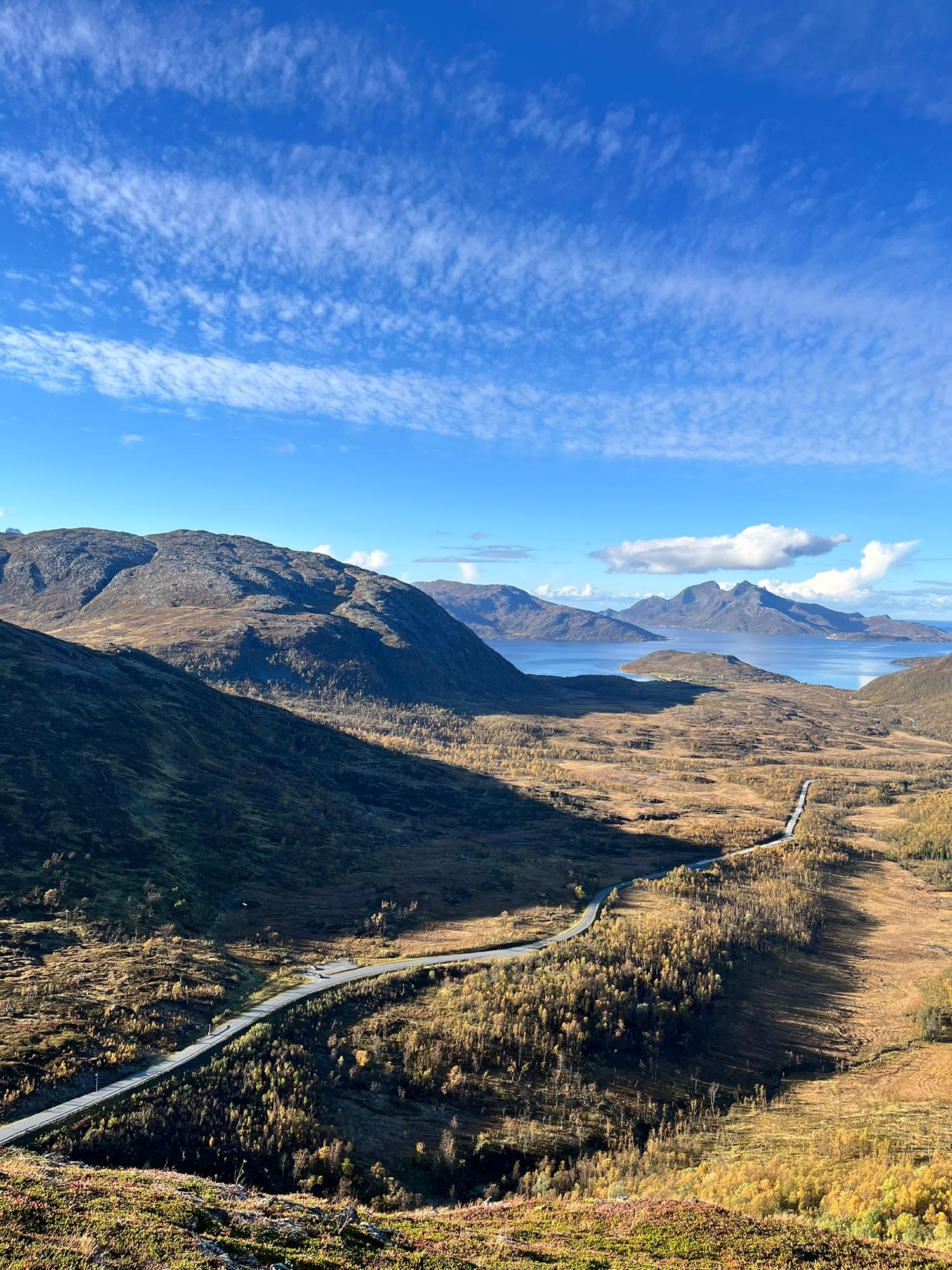
ROADS - The Roads that Remain: Residual Pathways as Living Archives in Northern Fennoscandia - traces the afterlives of road infrastructures in northern and Arctic landscapes shaped by environmental change, territorial governance, militarization and Indigenous presence. It acknowledges that knowledge of many residual infrastructures is fading: their presence is often held in local and Indigenous knowledge systems, while knowledge holders who moved along them pass on. ROADS creates space for active remembering, reanimating residual road infrastructures as sites of world-making.
Combining spatial analysis, archives, ethnography, collaborative countermapping and artistic methods, ROADS is grounded in co-production with local communities. It centers local and Indigenous knowledge systems while attending to infrastructure as more-than-human materiality. By approaching roads as ethnographic subjects rather than background settings, the project expands human-centered accounts and examines temporal processes of abandonment, ruination and landscape transformation.
ROADS’s outcomes foreground lived histories and spatial knowledge, and develop tools for cultural preservation and inclusive planning. Through collaboration with communities and cultural institutions, ROADS aims to extend the work of heritage institutions in a community-responsive way.
Members:
Financial/grant information:
ROADS is financed by the Research Council of Norway, FRIPRO Groundbreaking research programme, for years 2026-2030 and executed in UiT The Arctic University of Norway, BFE, HHA.